GRIDSERVE — Creating the product infrastructure behind a growing platform.

/Role

Lead Product Designer

/Focus

Design Systems · Product Design · Design Operations

/Impact

Scalable foundation · Faster delivery · Consistent customer experience

As the GRIDSERVE platform expanded, the product team needed more than a growing library of UI components. They needed a shared system that allowed designers and engineers to build consistently, move faster and deliver a more cohesive customer experience across the app.

The work involved leading the creation of the platform's first design system, establishing the foundations that supported both immediate product delivery and future growth.
The product was evolving quickly.

New features were being designed and built at pace, but without a shared system, components were being recreated, interaction patterns were beginning to diverge and consistency became increasingly difficult to maintain.

The challenge wasn't simply creating reusable UI. It was creating a shared language that helped design and engineering move together.

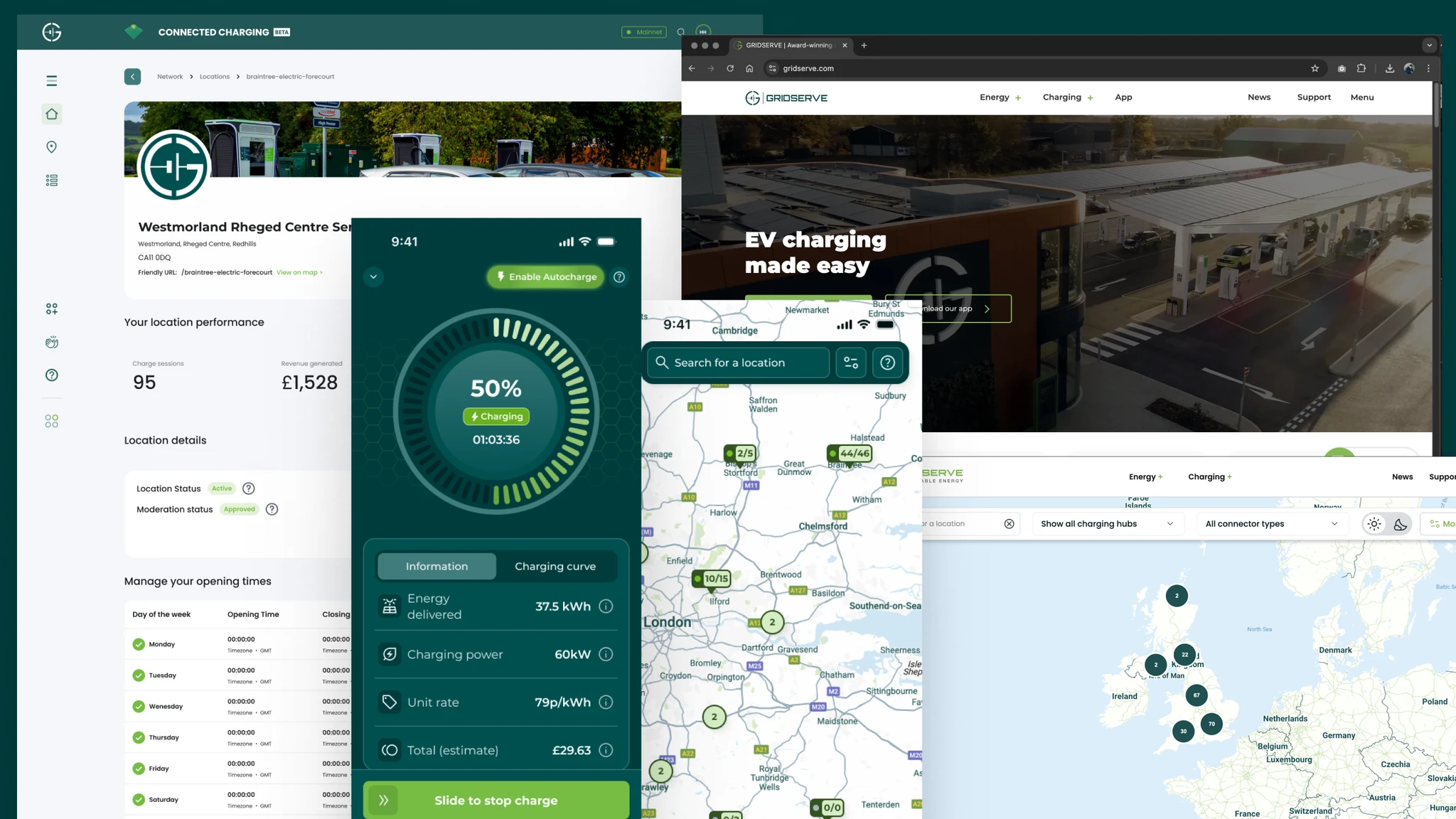
Pre-system product landscape

Pre-system product landscape revealing visual drift and inconsistency across the product.

Creating consistency across the customer experience.

Reducing repeated design and engineering effort.

Improving collaboration between disciplines.

Building a scalable foundation for future product development.

Design systems aren't component libraries. They're shared decisions that help teams build better products.

Build patterns, not pages

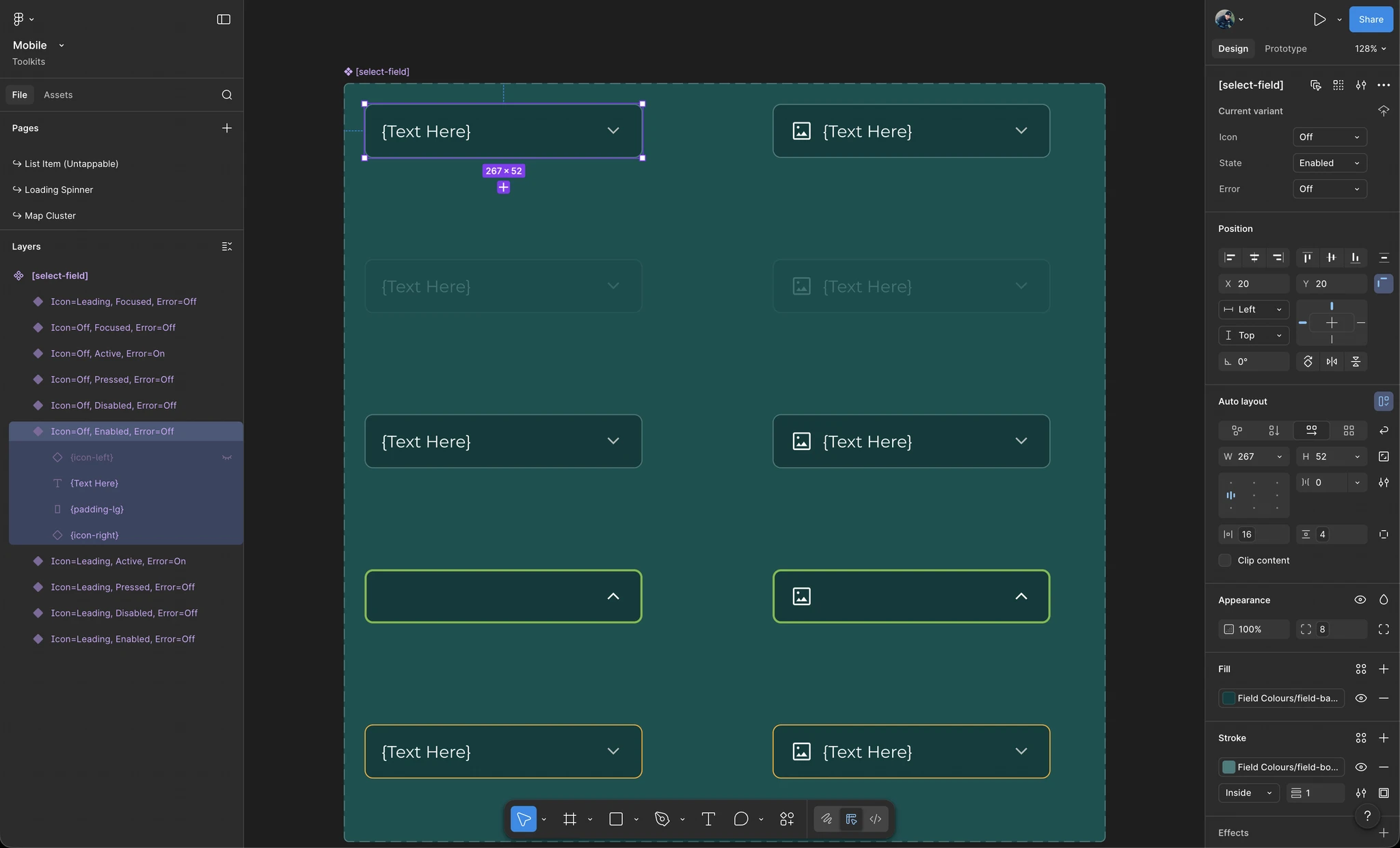
Rather than designing individual screens in isolation, the work focused on identifying the interaction patterns that appeared throughout the product and standardising them into reusable components and templates.

This allowed new features to be assembled from proven building blocks instead of redesigned from scratch.

  • Faster product delivery
  • Greater consistency
  • Reduced duplicated work
Reusable component patterns

Building reusable components around recurring product patterns rather than individual screens.

Design for engineering as well as design

The system was created collaboratively with engineers to ensure components were practical to implement, easy to maintain and reflected the realities of the codebase.

Design decisions became shared decisions rather than documentation handed over at the end of a project.

  • Improved collaboration
  • Better implementation quality
  • More predictable delivery
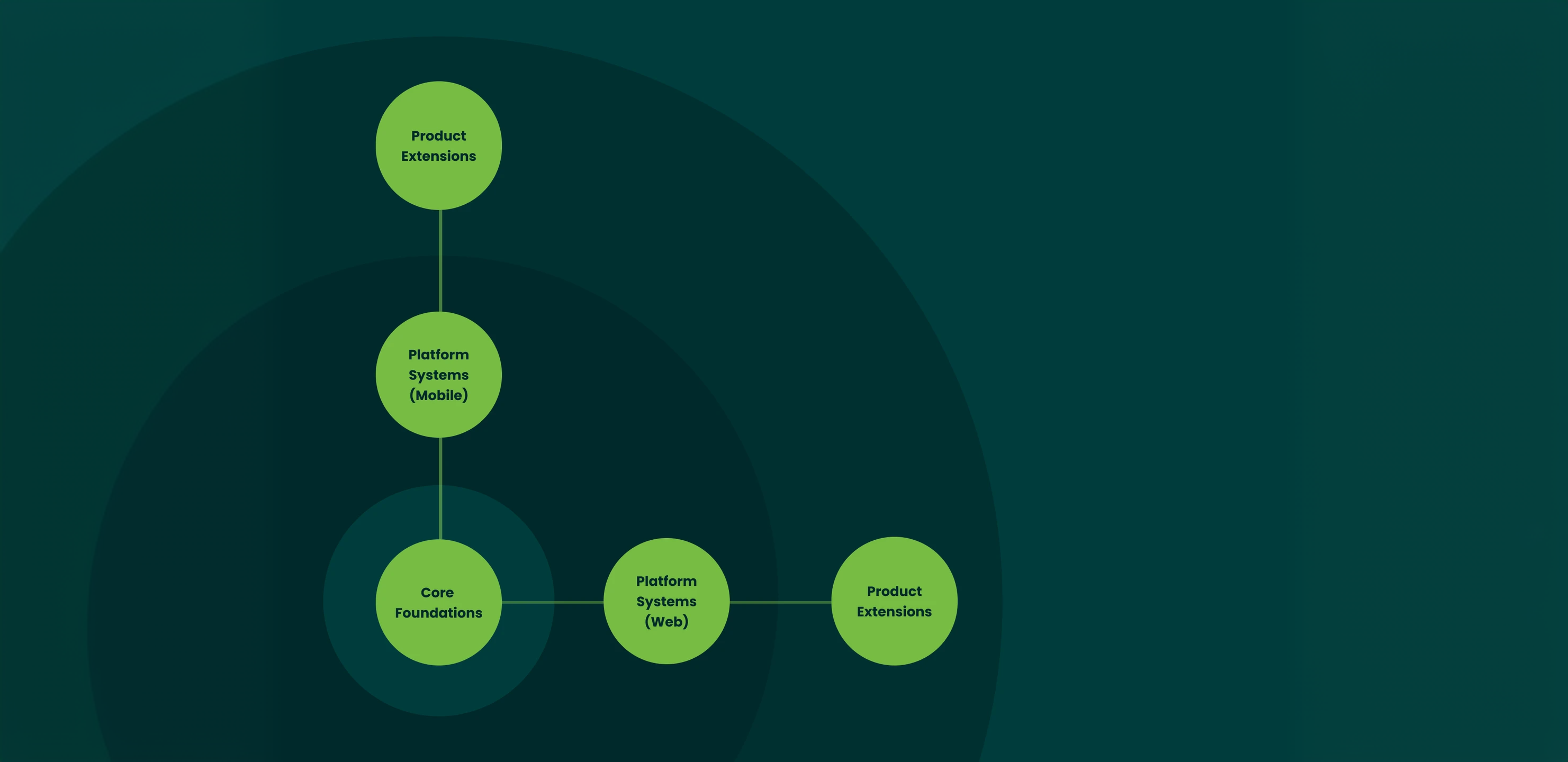
Unified system architecture

Shared components and documentation helped establish a common language across design and engineering.

Create a system that could evolve

The goal wasn't to build a perfect design system on day one. It was to create a flexible foundation that could grow alongside the product, allowing new patterns to be introduced without compromising consistency.

This made the system a living product rather than a static design asset.

  • Long-term scalability
  • Easier maintenance
  • Stronger product quality
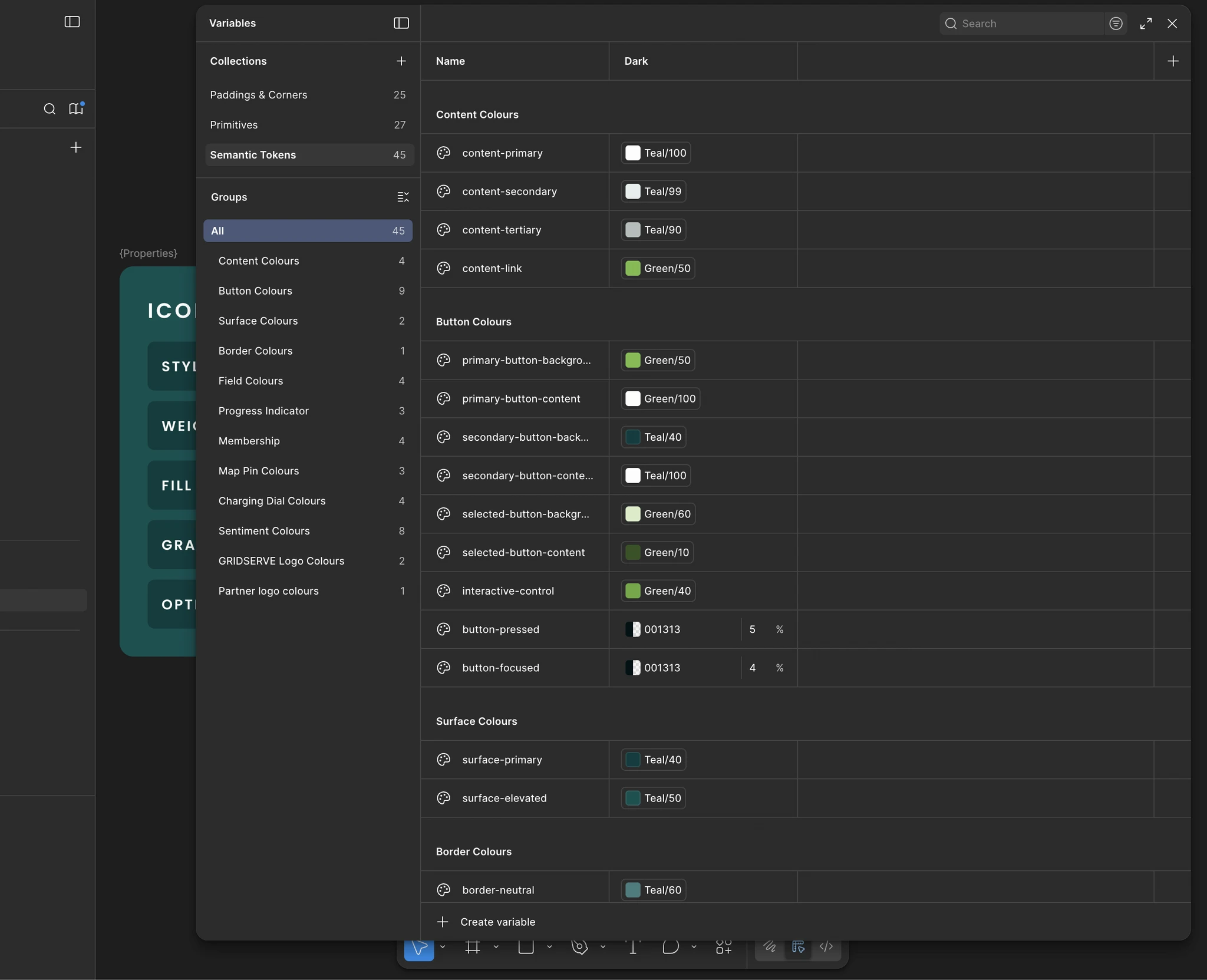
Scalable token foundations

Establishing scalable foundations that could evolve alongside the product and the team.

/Customer

A more consistent product experience with familiar interactions and improved usability across the app.

/Business

Reduced design and engineering effort while creating a stronger foundation for future product growth.

/Team

Established a shared language between design and engineering, making collaboration faster and more predictable.

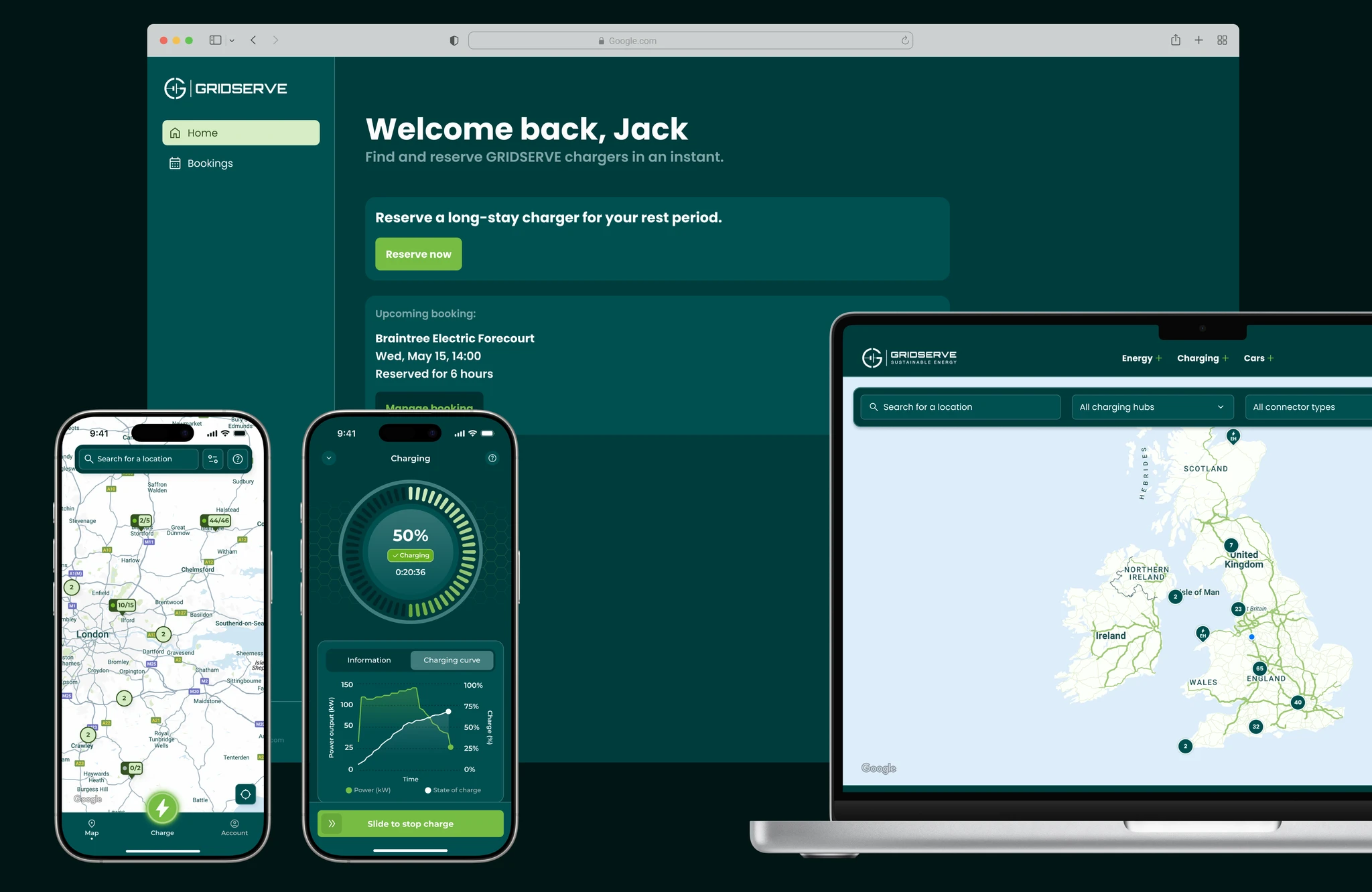
Scalable design system

Scalable design system powering consistent web and mobile experiences.

Creating a design system isn't about producing more components. It's about reducing ambiguity so teams can focus on solving new problems instead of repeating old decisions.

The strongest systems aren't the biggest. They're the ones people trust enough to use every day.

Good design systems don't constrain creativity. They create the confidence to move faster.