GRIDSERVE — Protecting customers without making security feel like a punishment.

/Impact

Improved fraud protection · Lower customer friction · Increased trust

/Role

Lead Product Designer — sole designer from discovery through to launch, covering product design, UX strategy, fraud prevention and engineering handover.

/Focus

Native Mobile · Product Design · UX Strategy · Fraud Prevention

A fraud prevention experience designed to protect both customers and the business — without turning security into a barrier to legitimate use.

As GRIDSERVE's customer base grew, so did the need to protect accounts from fraudulent activity. The challenge wasn't simply adding more security. It was designing an experience that protected the business without disrupting legitimate customers trying to charge their vehicle.

I led the design of the fraud prevention journey, working closely with engineering and stakeholders to create security measures that responded to risk while keeping the charging experience as smooth and trustworthy as possible.
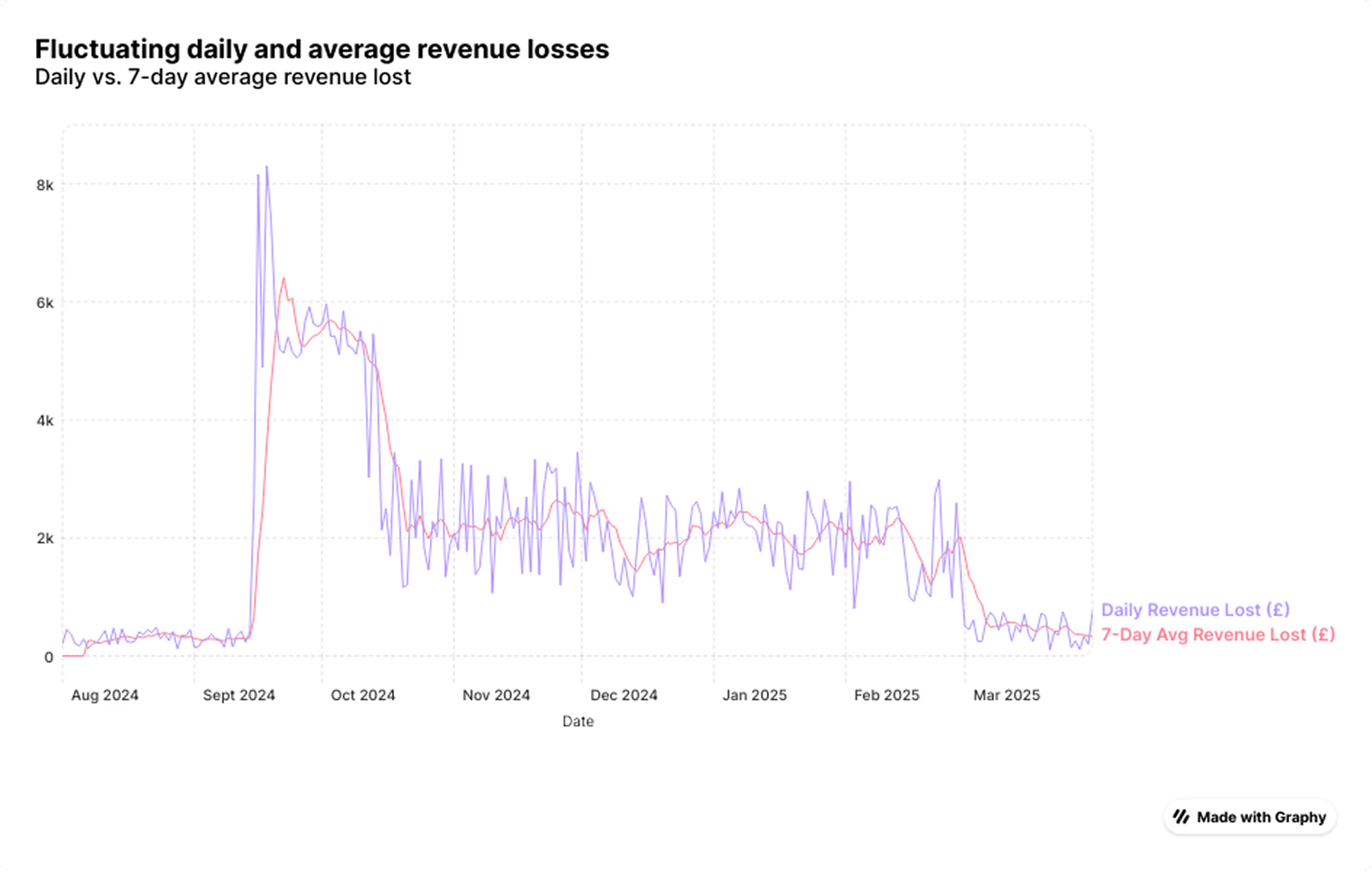
Daily and 7-day average revenue lost to fraud, showing a sustained decline following pre-authentication

Daily and 7-day average revenue lost to fraud — a sustained decline following the introduction of pre-authentication.

Security is one of the easiest places for product teams to introduce friction.

Treat every customer like a potential fraudster and legitimate users quickly lose confidence. Make the journey too lightweight and the business becomes increasingly exposed to risk.

The challenge was finding the right balance.

Security needed to feel proportionate, transparent and easy to recover from when additional verification was required.

Reducing opportunities for fraudulent activity.

Minimising friction for legitimate customers.

Making security challenges easy to understand and recover from.

Maintaining trust throughout the journey.

Good security responds to risk. It doesn't punish every customer equally.

/01

Make security feel proportionate

Not every customer should experience the same level of authentication.

I designed the journey so additional verification appeared only when the level of risk justified it, helping legitimate customers continue with minimal interruption while protecting higher-risk activity.

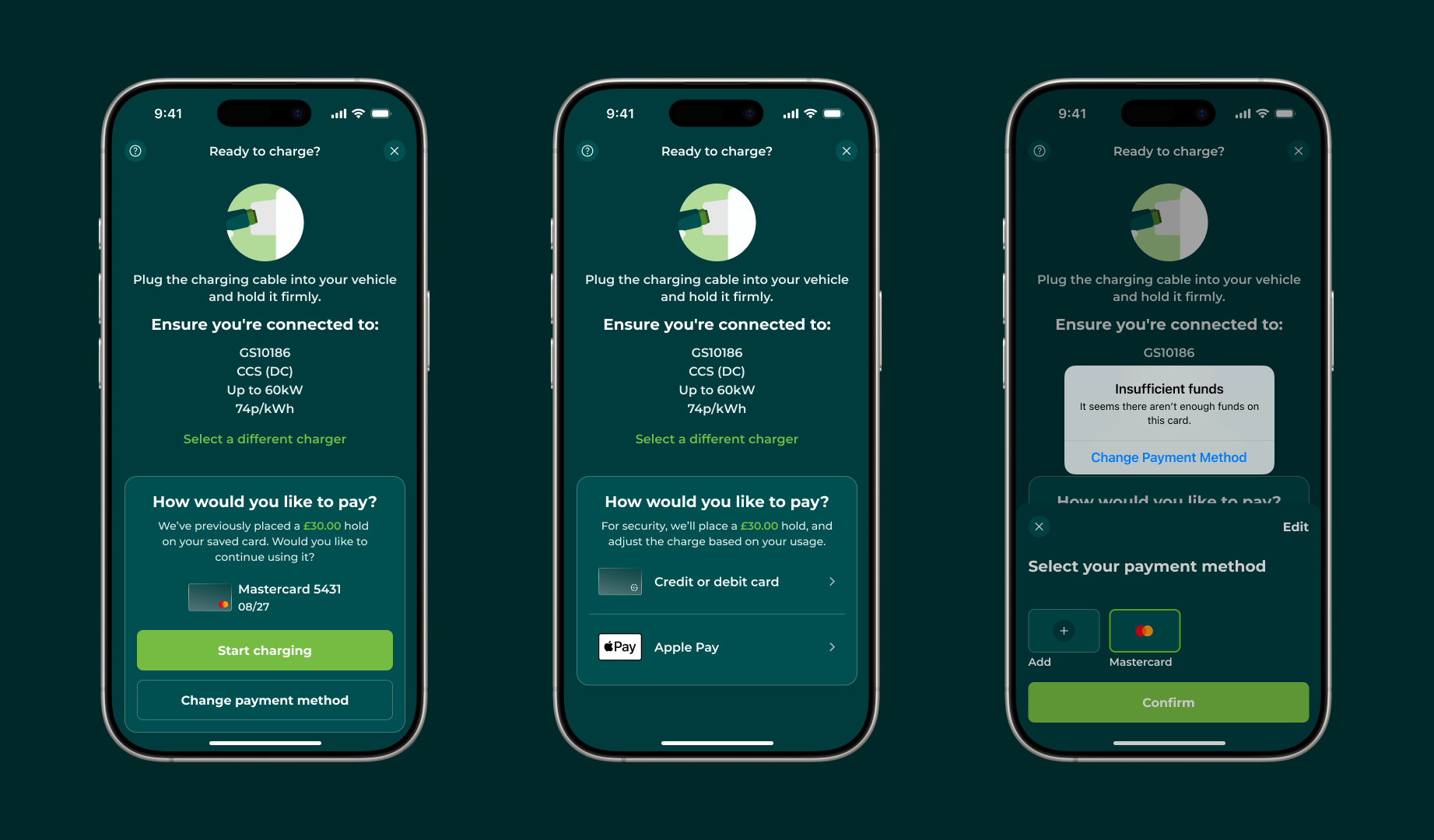
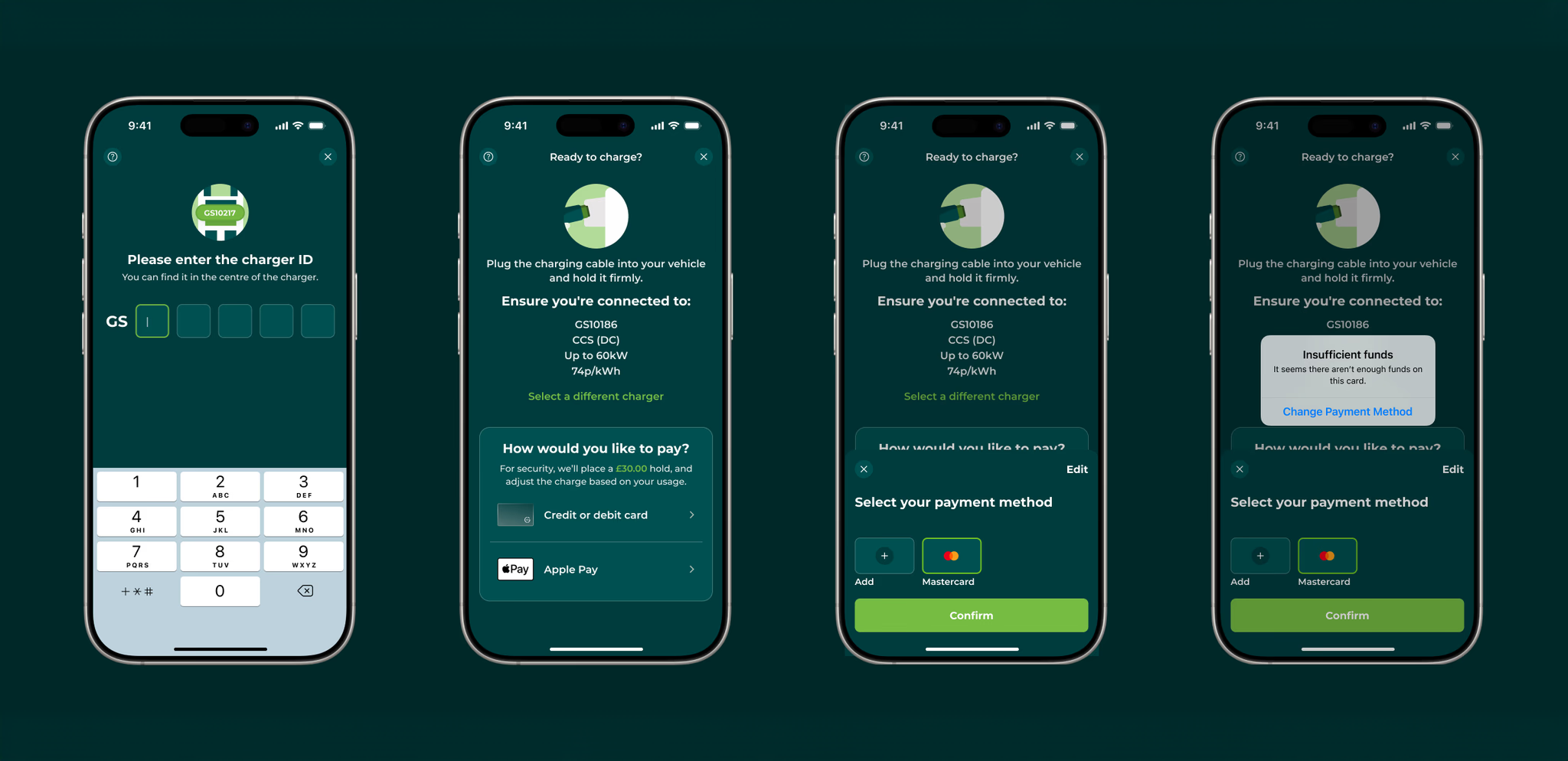
Redesigned charging flow introducing pre-authentication and card holds

Redesigned charging flow introducing pre-authentication and card holds, directly reducing fraudulent transactions.

/Why this mattered
  • Reduced unnecessary friction
  • Protected legitimate customers
  • Increased confidence in the journey
/02

Explain what's happening

Being challenged during a payment can feel worrying if customers don't understand why.

Rather than presenting generic error messages, I focused on clear explanations, reassurance and next steps so customers understood what was happening and how to continue.

Clear messaging screens helping customers understand security checks

Clear messaging helped customers understand security checks without creating unnecessary anxiety.

/Looking back

This was the decision that changed how I think about security UX. The moment you explain why something is happening, it stops feeling like an obstacle and starts feeling like protection.

/03

Design recovery, not just prevention

Fraud prevention doesn't end when a transaction is interrupted.

The recovery journey was designed with the same care as the prevention flow, ensuring customers could quickly resolve issues and continue charging without feeling trapped in a failed payment experience.

Payment attempted Customer initiates a charge session Payment fails Reason shown clearly to the customer "Insufficient funds" · "Card not recognised" "Something went wrong — please try again" Retry payment Same card, one tap to try again Add payment method New card or Apple Pay Contact support Live chat or call for urgent help Charging session started Customer charges with confidence

Recovery flow — clear reason shown at the point of failure, with three exit paths, all leading to a successful charge.

/Why this mattered
  • Higher journey completion
  • Lower support demand
  • Better customer experience
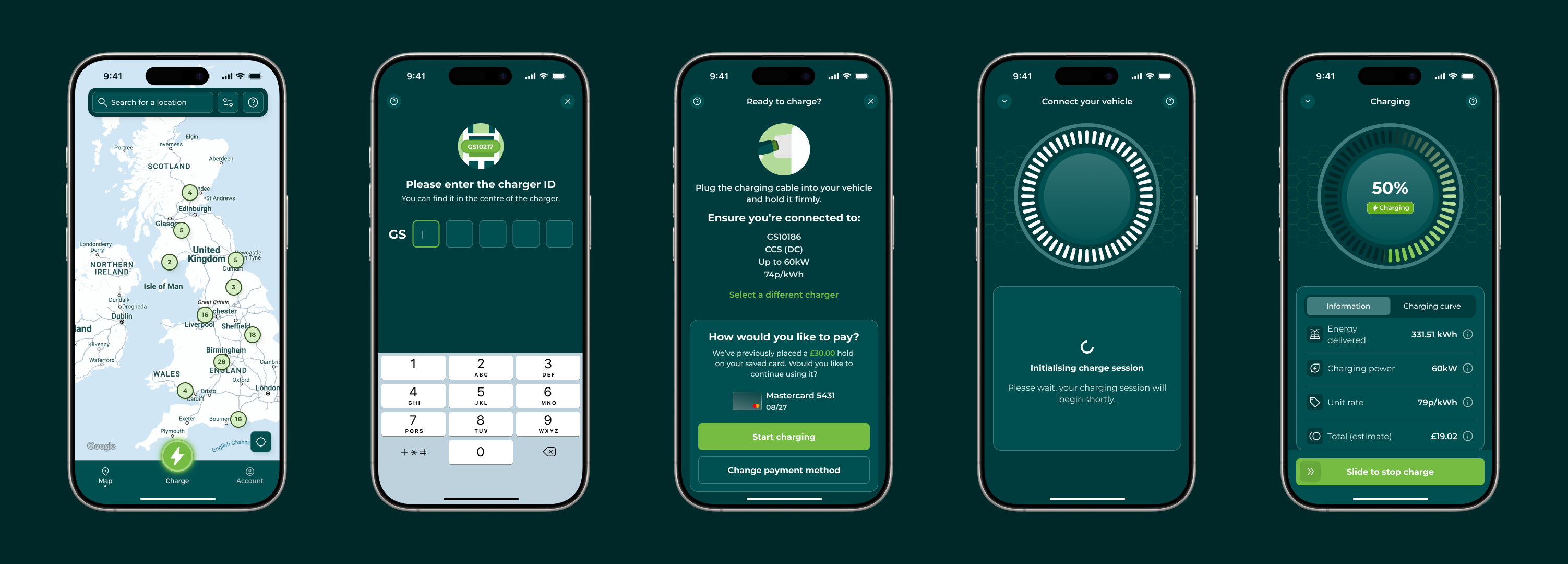
The end-to-end pre-authentication flow from charger selection to active charging session

The end-to-end pre-authentication flow — from charger selection through payment verification to an active charging session.

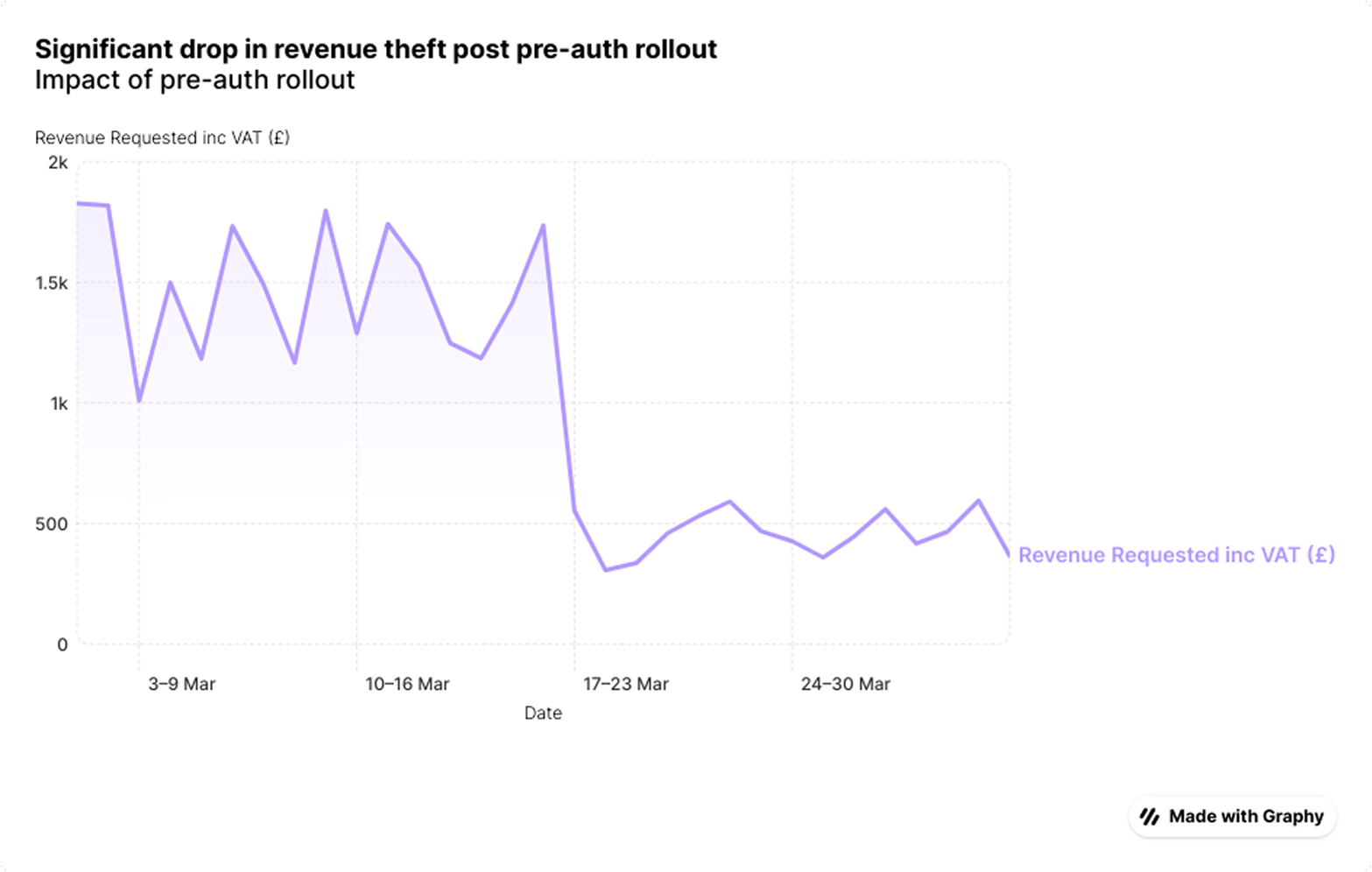
Impact of pre-auth rollout on fraudulent revenue

The immediate impact of pre-authentication: weekly fraudulent revenue requests fell sharply within four weeks of rollout.

/Customer

A security experience that felt proportionate, transparent and easier to recover from, helping legitimate customers continue with confidence.

/Business

Stronger fraud protection without introducing unnecessary friction into the charging journey, balancing commercial risk with customer trust.

/Team

Established reusable patterns for authentication, messaging and recovery that could be applied consistently across future payment experiences.

Designing for fraud prevention changed the way I think about trust.

Security isn't something customers actively want. They only notice it when it gets in their way. The challenge is designing protection that feels proportionate, understandable and easy to recover from.

The best security experiences are the ones customers rarely think about. They simply feel confident using the product.